
Melioidosis and wet-season yard work in Cairns: who is at risk and how to stay safe
By Trisim Property Maintenance, CairnsLast reviewed
- 9 min read
- 11 sources checked
- 7 questions answered
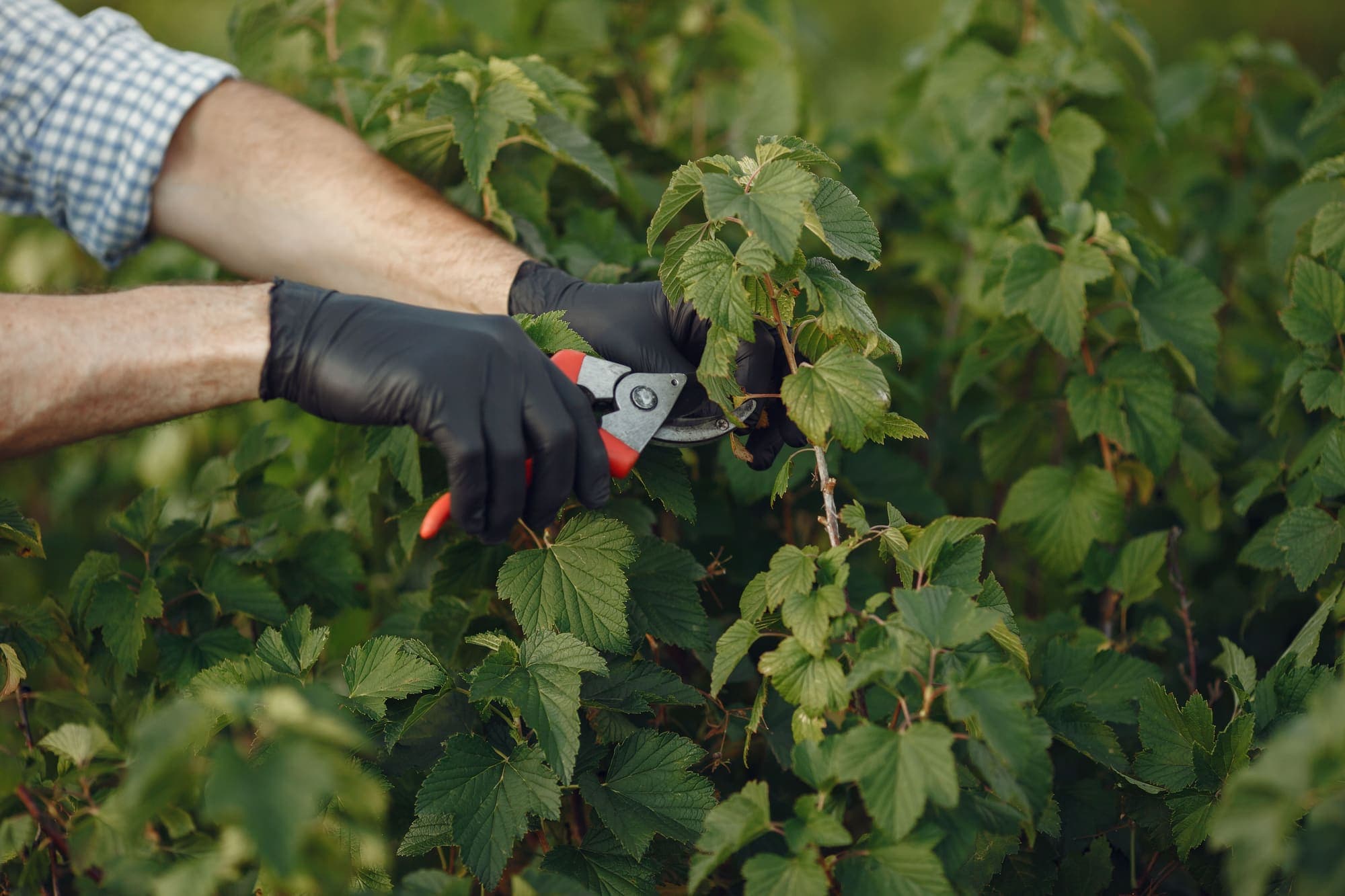
Melioidosis is a serious infection from bacteria that rise out of North Queensland soil into mud and surface water after heavy rain. Most healthy people never get sick, but if you have diabetes, kidney or lung disease or are 50 or older, cover cuts, wear waterproof boots and gloves, and keep off wet soil after downpours.
Every wet season, the hospital and health services in northern Queensland issue advice about melioidosis, known locally as melio. This guide applies that advice to the jobs in a Cairns yard, such as a wet lawn, a weedy garden bed or a drain full of storm debris, and covers leptospirosis too. It is general information, not medical advice.
If someone in your home is in a higher-risk group, the simplest precaution may be handing the wet-season jobs over, and our lawn mowing round runs fortnightly across Cairns.
Why is melioidosis a Cairns wet-season problem?
Melioidosis peaks in the wet because rain brings the bacteria to the surface. Queensland Government health information says the bacteria, Burkholderia pseudomallei, live in deep soil in northern Australia and rise up to muddy surface waters in the wet season. Most cases follow heavy rain or flooding, usually between December and May in Queensland.
Cairns has seen how closely the two are linked. Researchers at the Cairns and Hinterland Hospital and Health Service found a strong link between weekly rainfall and the number of people who fell ill, and the 120 cases recorded between December 2024 and April 2025 were the highest number ever recorded in a Cairns wet season. Statewide, Queensland Health recorded 261 cases and 37 deaths in 2025, against a five-year annual average of 85 cases from 2020 to 2024.
A record year does not mean every year will match it: Queensland Health says future numbers depend on how often heavy rain falls and how people behave. The bacteria stay in the soil either way, which is why the yard after rain is where the precautions count.
Who is most at risk of melioidosis?
Melioidosis is rare in healthy adults and children, and most people exposed do not get sick. Queensland Health and the Cairns Public Health Unit name these higher-risk groups:
- People with diabetes, cancer, or chronic lung or kidney disease.
- Older people. Queensland Health's surveillance reports count people aged 50 and over among those most vulnerable.
- People who drink heavily or binge drink.
- Anyone on treatment that lowers the immune system, such as chemotherapy or long-term steroids.
The risk is concentrated: of the 84 Queensland cases recorded from 1 January to 28 June 2026, Queensland Health reports that 94 per cent were in people most vulnerable to infection, such as people aged 50 and over, people with long-term health conditions or people who drink heavily, and the Cairns Public Health Unit says healthy people under 50 with no underlying conditions are at very low risk.
A parent with diabetes who still weeds the garden after rain is exactly who this advice is for. For ways to take yard work off an older person's hands, see our guide to lawn and garden help for older Cairns residents.
How does melioidosis get in during yard work?
Melioidosis gets in through broken skin, the lungs or, less often, contaminated drinking water. Queensland Government health information lists three routes: through skin cuts and sores, by breathing it in, and by drinking contaminated water. Queensland Health adds two that matter in a yard: walking through floodwater or muddy water with an open cut, and using a high-pressure hose on muddy surfaces and breathing in contaminated droplets. The Northern Territory Government also notes that the bacteria can be blown around in the air when it is windy.
A Cairns case shows how ordinary the exposure can be. The Cairns and Hinterland Hospital and Health Service reported on a White Rock woman who came home in really heavy rain and cleared grass and debris out of the drain near her driveway so it would not block. She was not wearing much protection, thought she must have had a small cut, and believes that is how she was infected. She spent a month in hospital. Her advice: do not garden after heavy rain, and wear gloves, boots, even masks if needed. The bacteria do not usually spread from people or animals, so the risk is the soil and water itself.
Job-by-job precautions for wet-season yard work
The same few precautions cover every wet-season job: keep soil and muddy water away from broken skin, keep your feet covered, and keep your face out of spray. Here is how they apply to the jobs most Cairns yards need after rain.
- Mowing and line trimming a wet lawn: Queensland Government advice for people at risk is to avoid contact with soil or muddy water, particularly after heavy rain, so the simplest step is to wait until the ground dries. If it cannot wait, wear waterproof boots rather than thongs and cover cuts on hands and legs first. Our guide on how often to mow in the Cairns wet season covers how long to wait after rain for the lawn's sake.
- Weeding and digging garden beds: this is direct contact with soil. Wear rubber gloves, which the Queensland Government advises people at risk to use for gardening, cover any wounds with waterproof dressings before you start, and wash your skin thoroughly afterwards.
- Clearing drains, gutters and storm debris: the White Rock patient believes her infection started at a driveway drain. Put on gloves and waterproof boots before touching wet leaves and silt. Queensland Health advises anyone in an at-risk group to stay inside during heavy downpours, so leave the job until the rain stops or hand it over.
- Hosing or pressure cleaning near soil: consider wearing a mask when using a high-pressure hose around soil or spraying bore water, and keep the spray off muddy ground where you can.
- Walking through flooded or muddy parts of the yard: never in bare feet or thongs. Wear waterproof boots. Queensland Health notes that foot and wound care is important for people with diabetes.
- Picking up palm fronds and green waste after a storm: gloves and closed-in shoes, then wash your hands with soap and water.
Much of this work can be done in the dry, before the risk rises. Our pre-wet-season yard and gutter checklist sets out what to get done in October. After a storm, our green waste removal service clears palm fronds, prunings and storm debris from the property.
Leptospirosis, the other wet-season infection in the yard
Leptospirosis is a different bacterial infection, but it rises with the same weather and the same precautions help. It is caused by Leptospira bacteria spread through the urine of infected animals, including rats, mice, cattle, pigs, horses and dogs. Healthdirect says it occurs mainly in humid tropical areas such as Northern Queensland, and the Queensland Government says it spreads more easily after heavy rain or floods.
You catch it by touching water, soil or mud that carries the bacteria, which get in through cuts, open wounds, or the eyes, nose or mouth. Gardening is on the Queensland Government's list of activities that raise the risk, and its prevention advice reads like a yard routine:
- Wear gloves when gardening and closed-in shoes when outdoors.
- Wash cuts and sores with clean water and cover them with waterproof dressings before touching soil, mud or water.
- Wash your hands often with soap and water, especially after being outside.
- Keep the property free of mice and rats by cleaning up waste and food.
There is no vaccine for humans, and you can catch leptospirosis more than once. Standing water after rain brings a separate problem, covered in our guide to mosquito breeding in Cairns yards.
Symptoms to watch for, and when to see a GP
See a GP promptly if you feel unwell after working in wet soil or muddy water, and tell them about the exposure. Melioidosis symptoms may include fever, cough and difficulty breathing, or ulcers and skin sores that do not heal, usually 1 to 21 days after infection. Leptospirosis usually begins suddenly, about 5 to 14 days after infection, and can bring fever, headache, nausea, sore or red eyes and muscle pain, especially in the calves.
The Cairns Public Health Unit's advice is specific. A wound that won't heal or a fever that lasts for weeks after the wet starts means a GP visit, mentioning possible melio exposure. If you are immunosuppressed and suddenly feel really unwell after heavy rain, get medical help straight away and say you are worried about melio. Treatment is antibiotics, usually for at least three months.
For advice at any hour, call 13 HEALTH (13 43 25 84) to talk to a registered nurse, 24 hours a day, 7 days a week, for the cost of a local call. In an emergency, call 000. Queensland Health's melioidosis fact sheet has the full detail.
Handing over the wet-season yard work
For anyone in a higher-risk group, the most reliable way to stay out of wet soil is to have someone else do the yard. Trisim runs lawn mowing across Cairns as a standing fortnightly round, on the same day each cycle, so the wet season never gets a head start. Edging, line trimming and a clean-up of the hard surfaces come with the cut, and mulch mowing returns the clippings to the lawn instead of bagging them.
Storm debris, palm fronds and prunings can be cleared through green waste removal: we load and take it, and the disposal is inside the quote. Every job is quoted before it starts. See our lawn mowing pages for Manoora, Westcourt and Edmonton.
Common questions from Cairns residents
Through broken skin or by breathing it in. The bacteria come up from deep soil into mud and surface water after heavy rain, then enter through small cuts, sores or grazes when you handle wet soil or walk through muddy water. Fine droplets from a high-pressure hose on muddy ground can also be inhaled. It does not usually pass from person to person.
It is rare, but Cairns is one of the places in Queensland where it is reported most often. Queensland Health lists the Cairns and Hinterland region among the areas with the most cases, and the 2024 to 2025 wet season brought the highest number ever recorded locally. Cases track rainfall closely, so periods of heavy rain are when to take the most care.
People with diabetes, cancer, or chronic lung or kidney disease, people who drink heavily, those on treatment that weakens the immune system, and older people. Queensland Health's surveillance reports count people aged 50 and over among the most vulnerable. The Cairns Public Health Unit says healthy people under 50 with no underlying conditions are at very low risk, and most people who are exposed do not get sick.
Yes. Queensland Government advice is that people at risk in North Queensland, especially during the wet season, wear waterproof footwear and rubber gloves when gardening or working outdoors, and Queensland Health's wet-season prevention steps include wearing waterproof boots and gloves when working outdoors. Gloves with closed-in shoes also help against leptospirosis. Cover any cuts with a waterproof dressing before you start, never work in muddy ground in thongs or bare feet, and wash your skin thoroughly if soil or muddy water gets on it.
The first sign is usually pneumonia, so fever, cough and trouble breathing are common early symptoms. Some people instead notice a sore or ulcer that will not heal. Healthdirect notes that melioidosis can be hard to diagnose because its symptoms look like other infections, so if you feel unwell after contact with wet soil or muddy water, see a GP or call 13 HEALTH and mention the exposure.
Usually within three weeks. Healthdirect puts the usual window at 1 to 21 days after exposure, and says symptoms can appear years later, but this is rare. The Northern Territory Government explains that this happens when the bacteria stay in the body and only cause sickness once the body's defences weaken. That is why it is worth telling a GP about soil or floodwater exposure even if it was some time ago.
No. Melioidosis comes from bacteria living in the soil itself, while leptospirosis comes from the urine of infected animals such as rats, mice, dogs and cattle getting into water, soil or mud. Both are more common in tropical North Queensland after heavy rain, both can get in through cuts, and gloves, closed shoes and covered wounds help against each.
Sources
- Melioidosis, Queensland Government (Queensland Health). Accessed .
- Be aware of melioidosis this wet season, Queensland Health. Accessed .
- Melioidosis surveillance, Queensland Health. Accessed .
- Melioidosis outbreak findings unveiled at Research Symposium, Cairns and Hinterland Hospital and Health Service. Accessed .
- 'It nearly cost me a leg': Patient's lengthy battle with dangerous bacteria after driveway clean, Cairns and Hinterland Hospital and Health Service. Accessed .
- 'Terrifying, painful and very scary': Cairns man's near-death experience with dangerous bacteria, Cairns and Hinterland Hospital and Health Service. Accessed .
- Leptospirosis, Queensland Government (Queensland Health). Accessed .
- Melioidosis, healthdirect Australia. Accessed .
- Leptospirosis, healthdirect Australia. Accessed .
- Melioidosis, Northern Territory Government. Accessed .
- 13 HEALTH: health advice over the phone, Queensland Government. Accessed .
Last reviewed by Trisim Property Maintenance. Rules and council services change, so check the source before you rely on a date or a fee.
Related services
From the Knowledgebase
- How to stop mosquitoes breeding in your Cairns yard: a weekly checklist for the dengue mosquitoA weekly yard checklist for Cairns: where the dengue mosquito breeds, from gutters and palm fronds to pot saucers, and what Wolbachia does and does not change.Read the article
- Lawn and garden help for older Cairns residents: options and fundingPensioner lawn mowing services in Cairns: how older residents and families arrange mowing, private or funded by aged care, NDIS or DVA, and what to ask.Read the article
- How often should you mow in Cairns? Wet season, dry season and mowing after rainHow often to mow a Cairns lawn month by month, the legal mowing hours in Cairns, and how to tell when grass is dry enough to cut after wet season rain.Read the article
- Pre-wet-season yard and gutter checklist for CairnsA pre-wet-season yard checklist for Cairns before cyclone season: gutters, green waste, branches, loose items, rental roles and the after-storm clean-up.Read the article
Stay out of the wet soil: book a mowing round
A fortnightly lawn round across Cairns, with storm debris cleared on request, quoted before any work starts.