
A yard-ready rental: the Cairns landlord and property manager maintenance calendar
By Trisim Property Maintenance, CairnsLast reviewed
A Cairns rental yard needs its tightest mowing cycle from January to March, gutters and loose debris cleared before storm season starts in November, and a tidy-up inside the 7 day notice before each routine inspection, which Queensland allows no more than once every 3 months unless the tenant agrees in writing.
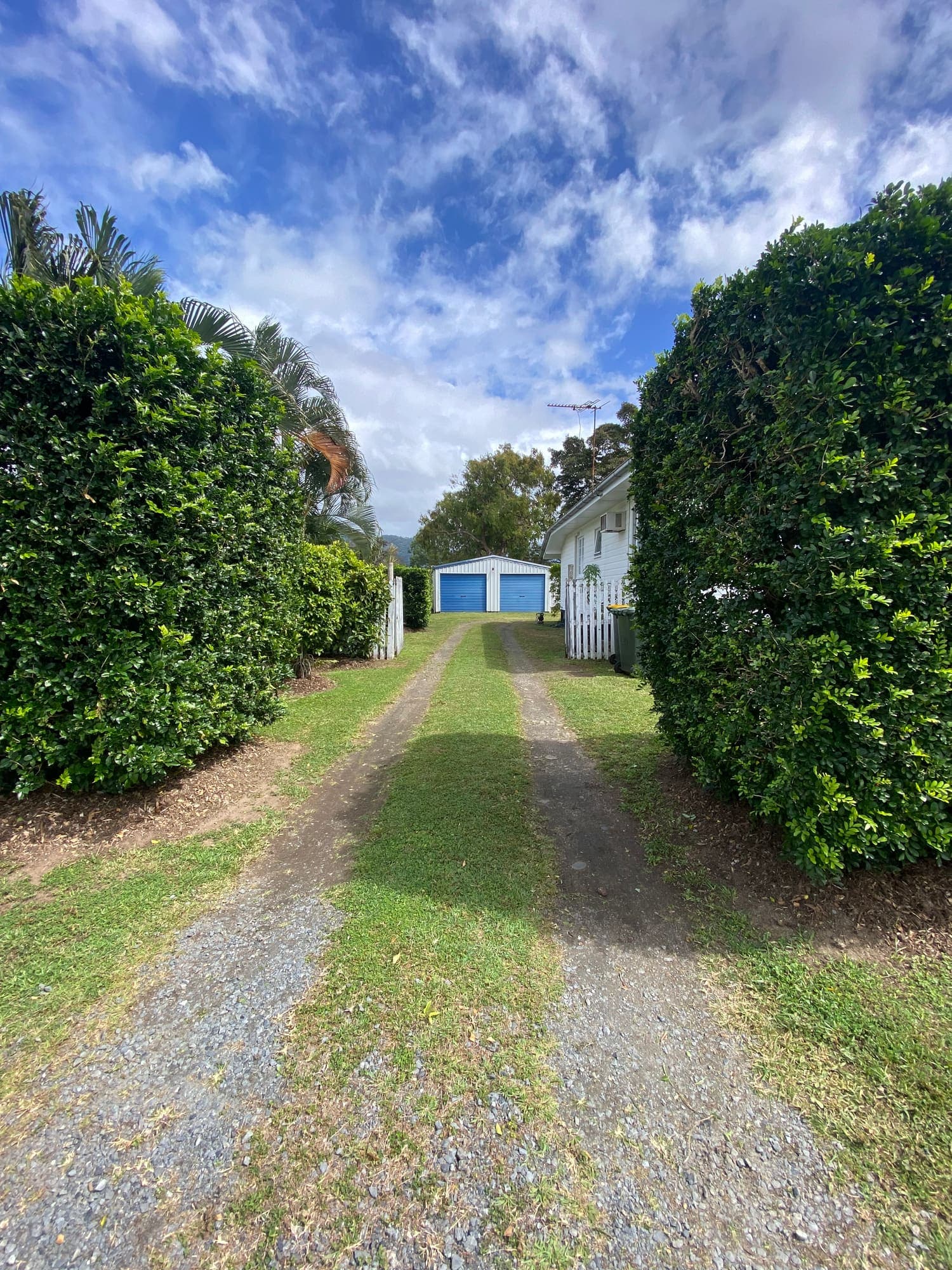
Most rental checklists are written for the inside of the house. In Cairns the outside is where a property slips fastest, because the year splits into a wet half that grows grass hard and a dry half that bakes it. This calendar maps the outdoor jobs for a tenanted house across that year, lines them up with the Queensland routine inspection rules, and splits each job between the tenant, the owner and an outside contractor, using the Residential Tenancies Authority guidance as the baseline.
It is written for property managers and self-managing landlords. If the owner pays for the yard, the core of it is a recurring lawn mowing round, with gutters, hard surfaces and green waste slotted in at the points in the year where they matter most. Whatever the arrangement, write it into the tenancy agreement so nobody is guessing at inspection time.
The Cairns outdoor year at a glance
The Bureau of Meteorology's long-term figures for Cairns Aero show why a single year-round schedule does not fit. January, February and March each average more than 400mm of rain, with about 16 days a month of 1mm or more. By August the mean is 26.5mm, with about 5 wet days. The annual mean is 2,025.5mm, and most of it falls in four months.
- January to March: the wettest stretch and the peak growing period. Mowing runs on its shortest cycle, drains and gutters take the heaviest load, and storms bring down fronds and small branches.
- April: rain roughly halves to a mean of 201.8mm. A good month to catch up on edges, beds and anything the wet season got ahead of.
- May to August: the dry season settles in and mean maximums drop to about 26C in June and July. Growth slows, so this is the easiest window for garden bed work, pressure cleaning and bigger clean-ups.
- September and October: still dry, but the heat builds and daily evaporation climbs to 7.4mm in October. Lawns can brown off, and it is the time to book the pre-season jobs before the rain returns.
- November and December: storm season officially starts in November and rain builds to a December mean of 193.8mm. Growth picks up again, so the mowing cycle tightens.
The practical rule is to mow to the lawn, not the calendar. A fortnight in February and a fortnight in August are very different amounts of growth, so a set round needs someone checking whether the interval still fits.
Before each routine inspection
Under the RTA rules a routine inspection can happen no more than once every 3 months unless the tenant agrees in writing, which means up to four a year. The tenant must get at least 7 days notice on an Entry notice (Form 9), and entry has to be between 8am and 6pm, Monday to Saturday. The RTA's routine inspection guidance lists lawn mowing, gardening and tidying outside areas such as decks and patios among the things a tenant should consider before an inspection, and property managers may also check for leaks, pests, damage or deterioration.
Seven days is enough in August. In February, with rain on most days, a lawn mowed at the start of the notice week can look overdue by the end of it, and wet grass may not be cuttable on the day the tenant planned. If the tenant does the yard, mention it on the notice so they can pick a dry day early. If the owner pays for a contractor, line the visit up with the inspection date rather than letting it fall wherever the round happens to land.
- 1Check the lawn, edges and weeds against the entry condition report, not against a perfect standard.
- 2Look for fallen fronds, small branches and loose debris that could block gutters or blow around in a storm.
- 3Note anything that is the owner's job, such as overhanging trees or high gutters, and raise it with the owner in the inspection report.
- 4Photograph the outside areas from the same spots each time so the change across a season is easy to compare.
Who does what: tenant, owner or contractor
The RTA's general position is that the tenant is responsible for yard work such as mowing, edging and weeding, but that it should be spelled out in the agreement. Major work such as tree lopping or pruning trees and shrubs usually sits with the owner, as part of keeping the property in good repair, and plants or lawns that need specialist upkeep are usually not the tenant's job unless they agree.
- Tenant, usually: mowing, edging, weeding, and clearing small manageable branches and loose garden debris.
- Owner, usually: pruning and lopping trees, removing larger branches that need specialist equipment, and repairing damage from fallen branches. The owner may also be responsible for cleaning gutters if the tenant has not done anything to block them.
- Contractor: whichever of these jobs the owner decides to pay for. The RTA says a tenant cannot be required to sign up to a maintenance contract with a particular company on top of their rent, so a contractor arrangement is the owner's to set up, and the RTA says it should be listed in the tenancy agreement.
For the gutter side of this, including high gutters and storm debris, see gutter cleaning. Under the RTA guidance the tenant may not be held responsible if lawns or plants die because of water restrictions or very dry weather, which is worth remembering when a lawn browns off in October.
Wet season priorities, November to April
The Queensland Government's storm preparation advice for homes is short and practical: clean gutters and downpipes so water can drain away as quickly as possible, trim trees and overhanging branches, and secure loose items such as garden furniture and toys that could be thrown around in high winds. Its storm season guidance runs from November to April. For a rental, split those jobs using the list above, and get them done in October or early November rather than after the first big storm.
- Gutters and downpipes cleared before the rain returns, then checked again after a heavy storm.
- Fronds, fallen branches and garden waste removed rather than piled against a fence, where they hold water and can block drains.
- The mowing round tightened, because a missed cut in February is much harder to recover than one in July.
- Outdoor furniture, trampolines and play equipment able to be tied down or moved inside.
If a storm leaves more material than a wheelie bin can take, green waste removal clears it before it sits in the yard through the next inspection.
Dry season priorities, May to October
The dry months are when the jobs that need a run of fine days get done. Bed weeding and fresh mulch, trimming back growth the wet season pushed over paths, and cleaning driveways and paths all go easier without daily rain.
Paths and driveways that stay damp through the wet can darken with mould and algae, and the dry season is the easiest time to clear it with high-pressure cleaning, ahead of an inspection or a re-letting. Plan the owner's tree and shrub pruning for this window as well, so overhanging limbs are dealt with before storm season rather than during it.
Late in the dry, watch for heat stress. Evaporation peaks in October and November, so a lawn that looked fine in July can thin out quickly. The RTA guidance says a tenant may not be held responsible when plants die from very dry weather or from following water restrictions, so record the season in the inspection report rather than treating it as neglect.
Between tenancies
The RTA's vacating guidance says tenants must leave the property in the same condition it was in at the start, less fair wear and tear, and that includes mowing and edging lawns, tidying and weeding gardens and removing rubbish. The yard is judged against the Entry condition report (Form 1a), and the tenant completes an Exit condition report at the end.
Two gaps catch owners out in Cairns. The first is timing: a yard cleaned a fortnight before handover in the wet season can be overgrown again by the exit inspection, so a tenant or contractor should book the end-of-lease yard clean-up close to the handover date. The second is the vacant period. Grass keeps growing with no tenant in the house, and a property that sits empty through February can need a full clean-up before the first open home. Keep the mowing round running until the new tenant moves in.
Working with a yard contractor
When the owner pays for yard care, a recurring arrangement is easier to manage than one-off call-outs booked each time the lawn gets away. Before signing anyone up, ask a few plain questions.
- Is the visit on a set day, and how often does the interval change between the wet and the dry?
- Is each property quoted before work starts, so the invoice matches what was agreed?
- Who is the invoice addressed to, the owner or the agency, and how is access arranged with the tenant?
- Is the business insured for public liability, and is the team police-checked, given they will be working at an occupied home?
Trisim runs lawn mowing on a fixed fortnightly round, the same day each cycle, and only does quoted work. The business carries public liability insurance and the team is police-checked. It works for property managers, agents and landlords across Cairns, from Smithfield and Trinity Beach in the north to Woree in the south and Cairns North closer in. For invoicing and access arrangements on a managed property, get in touch and confirm them before the first visit.
Common questions from Cairns residents
Mow to the growth rather than a fixed date. From January to March Cairns averages over 400mm of rain a month, so many rental lawns need a fortnightly cut or tighter to stay presentable. Through the dry months from May to October growth slows and the interval can often stretch. Whoever is responsible should check the lawn against the entry condition report, not a calendar, and tighten the cycle again once the rain returns in November and December.
The RTA's routine inspection guidance lists lawn mowing, gardening and tidying outside areas such as decks and patios among the things a tenant should consider before an inspection, and property managers may also check for leaks, pests, damage or deterioration. In practice that means the length and edges of the lawn, weeds in beds, fallen branches or fronds, rubbish, and anything that is the owner's job, such as overhanging trees or blocked gutters, which should go into the report for the owner.
It can be, but the owner has to set it up. The RTA says tenants are generally responsible for yard work unless the agreement says otherwise, and a tenant cannot be required to sign a maintenance contract with a particular company on top of their rent. If the owner wants a contractor to mow, the owner arranges and pays for it, and the arrangement should be listed in the tenancy agreement before it is signed.
No more than once every 3 months, unless the tenant agrees in writing, according to the Residential Tenancies Authority. The tenant must receive at least 7 days notice on an Entry notice (Form 9), and entry must happen between 8am and 6pm, Monday to Saturday. The notice can give a specific time or a 2 hour window. That allows up to four routine inspections a year to plan the yard around.
Clear gutters and downpipes, trim overhanging branches, remove loose garden debris and make sure outdoor furniture and play equipment can be secured. That follows the Queensland Government's storm preparation advice, and its storm season runs from November to April. For a rental, the owner usually handles tree work and may be responsible for gutters the tenant did not block, while the tenant clears small branches and loose debris. Aim to finish in October or early November.
Sources
- Routine inspections, Residential Tenancies Authority (Queensland). Accessed .
- Entry to the property, Residential Tenancies Authority (Queensland). Accessed .
- Lawns, gardens and trees, Residential Tenancies Authority (Queensland). Accessed .
- Drains and gutters, Residential Tenancies Authority (Queensland). Accessed .
- Storms, cyclones and flooding (podcast), Residential Tenancies Authority (Queensland). Accessed .
- Cleaning (vacating a property), Residential Tenancies Authority (Queensland). Accessed .
- Monthly climate statistics: Cairns Aero (031011), Bureau of Meteorology. Accessed .
- Prepare your home, Queensland Government. Accessed .
- Cyclones and severe storms, Queensland Government. Accessed .
Last reviewed by Trisim Property Maintenance. Rules and council services change, so check the source before you rely on a date or a fee.
Lawn mowing around Cairns
From the Knowledgebase
- Who looks after the lawn and garden in a Queensland rental?Who mows, weeds, prunes and clears gutters in a Queensland rental? The RTA rules for tenants and owners, item by item, with the Cairns wet season in mind.Read the article
- Who cleans the gutters in a Queensland rental?What the RTA says tenants and owners each cover for rental gutters in Queensland, who pays for overflow damage, entry notice rules and when to book in Cairns.Read the article
- Pre-wet-season yard and gutter checklist for CairnsA pre-wet-season yard checklist for Cairns before cyclone season: gutters, green waste, branches, loose items, rental roles and the after-storm clean-up.Read the article
Managing rentals in Cairns? Set up recurring yard care
A fixed fortnightly round, quoted per property before the first visit.